
Ever felt like you spend too many hours on tasks that feel like a robot's job? Like filling out forms or sending the same emails? You are not alone. Many business leaders understand the idea of AI workflow automation. This means technology does the hard work. But the words used for Machine Learning, APIs, and orchestration can stop people. It sounds hard and scary. It may seem too much for your business. But we want to tell you it is easier than you think.
Imagine your main business tasks running on their own. They work smoothly, correctly, and all the time. This is not science fiction. It is real for businesses using AI to automate tasks. The world market for workflow automation was big. It was worth USD 23.77 billion in 2025. It will grow to USD 40.77 billion by 2028. This big growth is not just talk. It shows the real good things businesses get. They learn about and set up AI workflow automation.
The Magic Behind the Scenes: Machine Learning at Work
Machine Learning (ML) is at the core of smart automation. Forget movie robots that think. Think of ML as a system that learns from data. It does this without being told every single step. For workflow automation, ML is like the brain. It lets systems do these things:
Find patterns. For example, it finds main facts from an invoice. It does this no matter how the invoice looks.
Make guesses. It can guess how much stock you need. This is based on past sales. It also guesses which customer questions need a person's help.
Make choices on its own. It sends customer help tickets to the right team. This is based on what the ticket says. Or it can okay a loan request. This is based on set rules and data checks.
This smart part is why AI in workflow automation is growing fast. It will grow from USD 1.4 billion in 2025 to USD 4.3 billion by 2026. This is a big growth of 34.6% each year. ML changes old automation. It makes it flexible. This helps things get better all the time.
The Connective Tissue: How APIs Power Automation
If ML is the brain, then APIs are the nerves. They let different apps talk to each other. Think of an API as a waiter in a restaurant. You (one app) want food (data) from the kitchen (another app). You do not go to the kitchen yourself. You give your order to the waiter (API). The waiter takes it to the kitchen. Then they bring back your food.
In workflow automation, APIs allow many actions:
It makes a new customer record in your CRM on its own. This happens when a lead fills out a form on your site.
It sends sales data from your online store. It puts it into your accounting program.
It sends an email alert. This happens when something changes in a project tool.
Without APIs, each app would be on its own. This would mean moving data by hand. It would also cause delays. More and more, we need systems that work together. So, the API integration market will grow by 24.5% each year. This shows its key part in building good automated workflows.
The Conductor: Orchestration for Seamless Workflows
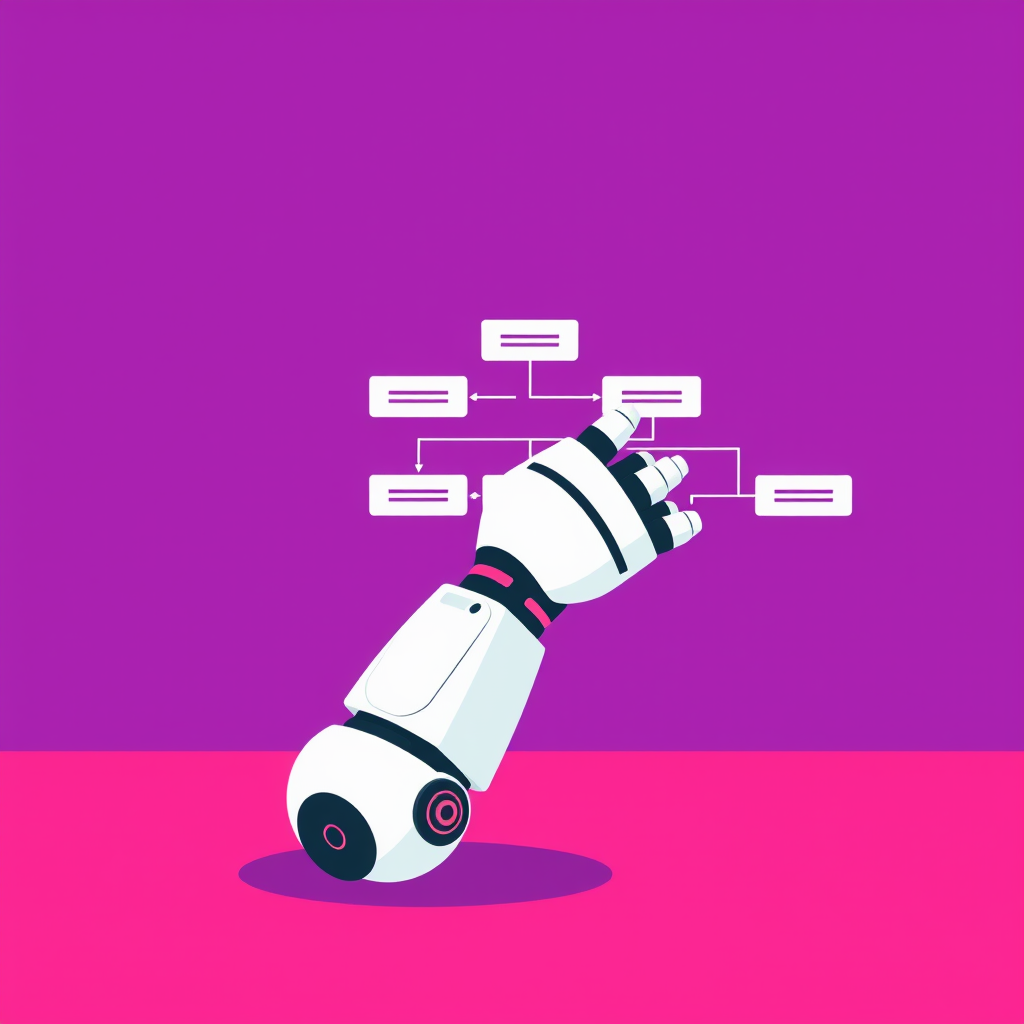
You have the brain (ML) and the nerves (APIs). Who makes sure everything works together? Who makes sure it works in the right order? Who makes sure it does not miss a beat? That is what orchestration does. Orchestration sets up, guides, and runs computer systems and software on its own. Simply put, it is the conductor of your workflow.
Orchestration tools help make sure:
Tasks are done in the right order.
Things that need to happen first, do happen. For example, Task B starts only after Task A is done.
Data moves correctly between API calls and ML models.
roblems are fixed. Alerts are sent if something goes wrong.
These tools show you your whole automated process. This makes it easy to see, watch, and improve. Many people like these tools. This is because they turn separate tasks into one smart, full process.
Case Study: Fortress Health AI - Reclaiming 25 Hours a Week
Think about Fortress Health AI. This healthcare company had too much office work. They spent over 25 hours each week on tasks by hand. These tasks included care notes, checking rules, and hiring staff. These slow-downs wasted time. They also made big gaps between work in the field and office checks. This hurt patient care and how well staff worked.
CreativHouz came in. We made a special AI system for them. We set up three main parts:
Automated Notes System (ADP):
Mobile forms now make branded PDFs right away. They have digital signatures. This gets rid of paper work done by hand.
AI Hiring:
A smart scoring system looks at resumes. This lets managers talk only to the top 5% of people. It saves a lot of time in hiring.
Chat to Your Business Data:
A WhatsApp tool lets you ask questions. It gives fast answers and ideas. This makes important facts easy for everyone to get.
The results were great. Fortress Health AI now saves over 25 hours each week. This is on office tasks. They cut hiring time by 80%. They have easy compliance too. Fortress Health AI cut 25 hours of paperwork each week. It used smart automation. Your business can save time this way. You can also get the same good results by making work simpler.
Your Path to Automated Efficiency: A Simple Action Plan
Do you feel ready but do not know where to start? Here is a simple plan. It will help you begin with AI workflow automation.
Find Where to Automate:
First, find tasks that you do over and over. Find ones that take a long time or have many mistakes. These are best for automation. Think about tasks like putting in data, making schedules, or sending normal emails.
Look at Easy-to-Use Tools:
You do not need to be a coding expert to automate. Tools like Zapier or Make help you. Even Microsoft Power Automate has good features. They let you link apps and make workflows. You need little or no coding. Many also have simple AI tools. These help with things like pulling out data.
Start Small, Then Grow:
Do not try to automate your whole business at once. Pick one small, important task. Maybe automate how you find new leads. Or how you bring in new staff. Learn from that. Make it better. Then do more. Doing well builds trust and shows worth.
Think About Data and How It Connects:
Know how data moves between your systems. Or how it should move. Pick tools that offer strong API connections. This makes sure your tools talk to each other well. This is key for strong and good automated workflows.
AI workflow automation does not replace people. It helps them focus on new ideas, plans, and being creative. It takes away boring tasks. We make Machine Learning, APIs, and orchestration simple. This means you do more than just learn about tech. You unlock your business's chance for new growth and great work.