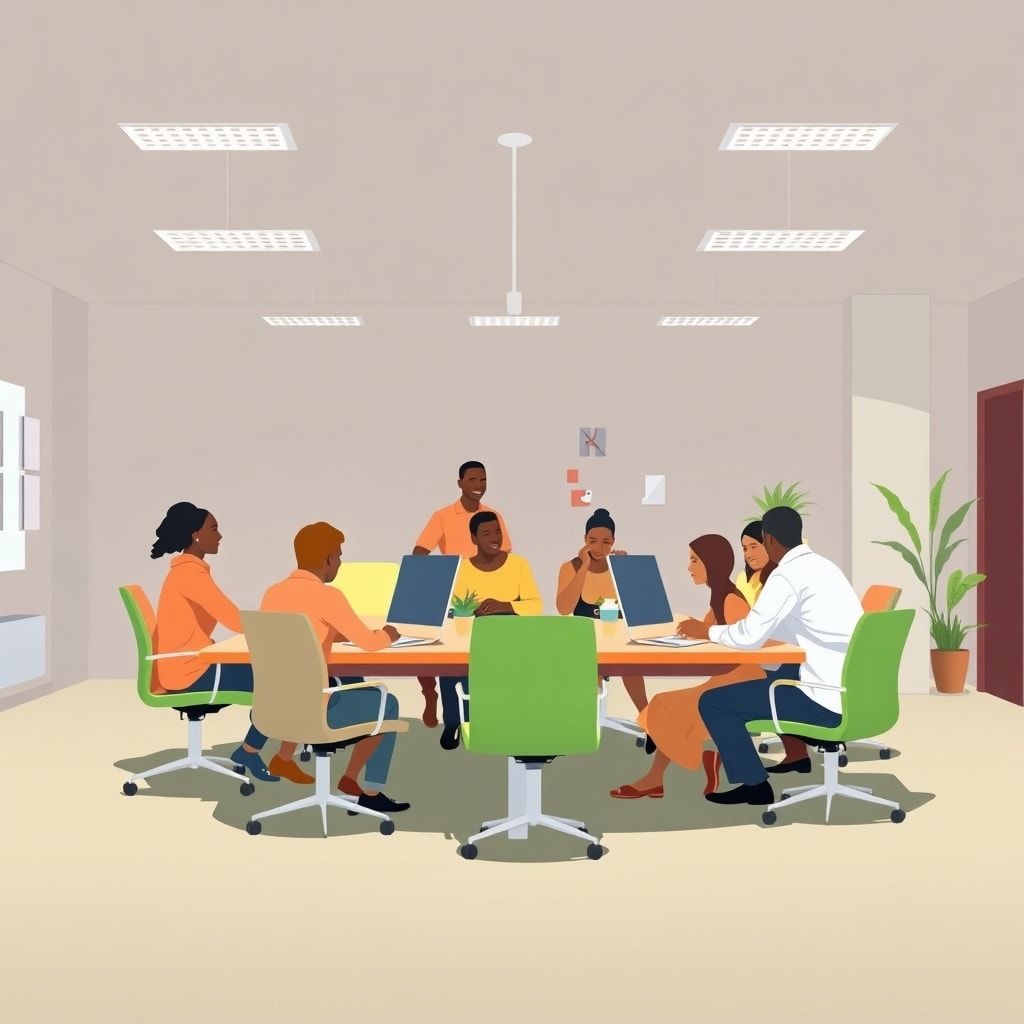
icture this: a bustling Lagos market, vibrant and chaotic, yet operating with an intricate, unwritten code. This isn't just a scene; it's a metaphor for Nigeria's labor landscape – a dynamic, largely informal beast that defies conventional wisdom. Are you still recruiting talent with a 20th-century mindset in a market barreling towards 2026?
For too long, businesses in Nigeria have relied on conventional hiring models, dusting off old playbooks for a new era. But as we approach 2026, the ground beneath us is shifting dramatically. The future of employment in Nigeria isn't just about finding people; it's about understanding a complex ecosystem shaped by burgeoning digital trends, a dominant informal economy, and an ever-widening skills gap.
Consider the sheer scale: the labor force in Nigeria stood at a staggering 113,349,564 in 2024. This isn't just a number; it represents a vibrant, energetic pool of human potential. Yet, a significant portion of this force operates within the informal economy, a realm often overlooked by formal recruitment processes. This informal sector, with its fluidity and resilience, will continue to be a defining characteristic of Nigeria’s labor market in 2026, demanding a radical rethink of how we identify, attract, and retain talent.

The digital revolution isn't a distant phenomenon; it's here, reshaping every facet of our lives, including work. From e-commerce to remote collaboration tools, technology is creating new roles, automating others, and fundamentally altering skill requirements. Businesses that fail to acknowledge this digital transformation in their hiring strategies will find themselves not just lagging, but completely irrelevant. The skills gap, particularly in digital literacy, data analytics, and specialized tech roles, is becoming a chasm. Traditional hiring processes that prioritize outdated qualifications over adaptive capabilities and digital fluency are set for failure.
The Daddy Freeze Effect: Scaling Talent in a Digital World
Think about the phenomenon of Daddy Freeze. His media platform isn't just about content; it's a masterclass in managing massive, often unpredictable, traffic. When a story breaks or an opinion goes viral, his digital infrastructure handles a surge of engagement that would cripple less prepared systems. What does this have to do with employing labor? Everything.
In the same way Daddy Freeze’s platform is built to handle viral traffic – anticipating peaks, ensuring stability, and maintaining engagement – businesses need to build hiring and management systems that can adapt to the dynamic nature of the 2026 labor market. This means moving beyond static employee lists and towards agile talent pools, freelance networks, and project-based teams. It means having the digital infrastructure to onboard, train, and manage a diverse workforce, some of whom might never set foot in a traditional office.
The lessons are clear: adaptability, robust digital infrastructure, and an understanding of how to engage a broad, often digitally-savvy, audience are paramount. If you're struggling to attract the right talent or facing an exodus of skilled workers, perhaps it's not the market that's broken, but your outdated approach to it.
Your 3-Step Action Plan for a Future-Ready Workforce
Navigating Nigeria's evolving labor landscape in 2026 requires more than just minor adjustments; it demands a strategic overhaul. Here are three actionable steps you can implement today to future-proof your workforce and thrive amidst the changes:
1. Embrace Digital-First Recruitment & Outreach
Forget the old classifieds and walk-in interviews. In 2026, your talent pool is online. Leverage social media platforms, professional networking sites, and specialized online job boards to scout for talent. Utilize AI-powered screening tools to sift through applications efficiently, focusing on skills and potential rather than just traditional qualifications. Develop a strong employer brand online that showcases your company culture and growth opportunities. Look beyond traditional CVs; consider digital portfolios, project-based assessments, and even hackathons to identify adaptable and innovative individuals. This approach allows you to tap into the vast, often hidden, talent within the informal economy and among digitally-native job seekers.
2. Invest Proactively in Skills Development & Reskilling Initiatives
The skills gap is real, but it’s also an opportunity. Instead of solely seeking fully formed talent, invest in developing it. Identify critical skills your business will need in the next 3-5 years – particularly in digital, data, and green technologies. Establish internal training programs, offer subsidized online courses, or partner with local vocational schools and tech hubs to upskill your existing workforce and new hires. Focus on developing soft skills like critical thinking, adaptability, and problem-solving, alongside technical competencies. This not only builds a loyal, capable team but also positions your company as an attractive employer committed to employee growth.
3. Structure for Flexibility and Performance, Not Just Presence
The traditional 9-to-5, office-bound model is rapidly becoming obsolete. To attract and retain the best talent in 2026, especially from the informal sector or those seeking better work-life integration, you must offer flexibility. Explore hybrid work models, remote opportunities, and project-based engagements. Redesign roles to focus on deliverables and outcomes rather than hours spent at a desk. Consider offering competitive contract-based arrangements that provide stability while retaining the agility businesses need. Implement robust performance management systems that track output and impact, allowing you to trust your team to deliver results regardless of where or when they work. This flexibility can unlock a massive pool of talented individuals who thrive in less rigid environments.
The Nigerian labor market of 2026 is not a challenge to fear, but an opportunity to seize. By abandoning outdated hiring practices and embracing digital agility, proactive skills development, and flexible work structures, your business can not only survive but truly thrive in this dynamic new era of employment.